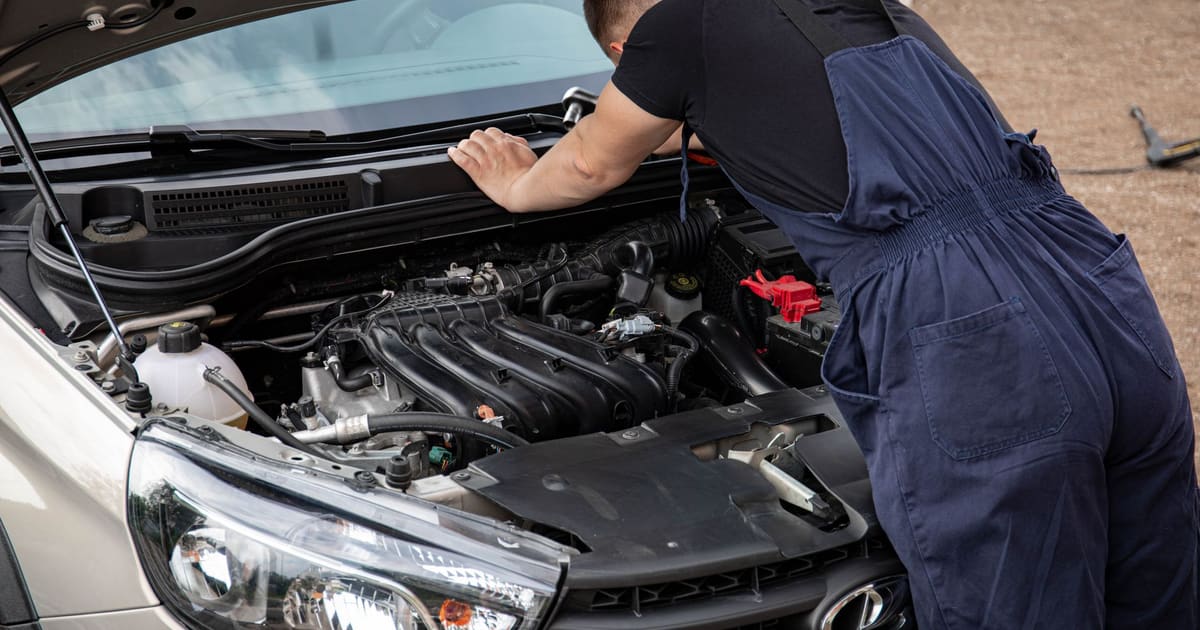
A coolant flush typically costs $100 to $250 at most shops, according to KBB repair cost estimates. Whether you actually need one depends on your vehicle's coolant type and service history -- not on whatever interval the shop's service menu recommends. Coolant flush is one of the more aggressively upsold maintenance services in the industry, which makes understanding when it is legitimately necessary worth knowing before you pull into any service drive.
What Does a Coolant Flush Cost?
Most independent shops and dealerships charge $100 to $250 for a standard coolant flush and refill. Chain service centers may charge less ($80 to $120) for a basic drain-and-fill. The price difference reflects labor time and whether the shop uses a flush machine to circulate a cleaning agent through the system before refilling.
| Vehicle Type / Service | Typical Cost | Notes |
|---|---|---|
| Small car or sedan (standard flush) | $100 - $160 | Lower coolant capacity; most common price range |
| Truck, SUV, or van (standard flush) | $140 - $250 | Higher coolant volume; some require more labor |
| Dealership flush (any vehicle) | $130 - $300 | OEM coolant used; pricing higher than independents |
| Drain-and-fill only (no machine flush) | $80 - $130 | Removes most old coolant; adequate for routine service |
Source: KBB repair cost estimates and independent shop survey data.
The "flush machine" method circulates a solvent through the cooling system before draining -- useful if the coolant is badly degraded or the system has visible deposits. For routine maintenance on coolant that is still in acceptable condition, a drain-and-fill is functionally adequate and costs less.
What Is a Coolant Flush and What Does It Include?
The cooling system circulates a 50/50 mixture of antifreeze and water through the engine block, radiator, heater core, and water pump. Antifreeze is not just freeze protection -- it contains corrosion inhibitors that protect the aluminum and iron components from oxidation and electrolytic corrosion. These inhibitors deplete over time.
A coolant flush includes:
- Draining the old coolant (either via the drain petcock on the radiator or by disconnecting a hose)
- Optional: circulating a flush solution through the system to remove deposits
- Refilling with the correct coolant type for the vehicle at a 50/50 water-to-antifreeze ratio (or pre-mixed)
- Purging air from the system (a step that requires running the engine with the heater on to circulate coolant through the heater core)
- Checking hoses, thermostat housing, and caps while the system is open
A shop that completes this properly spends 45 minutes to 1.5 hours depending on the vehicle. If a shop's quote implies a 15-minute service for $100, they are likely doing only a drain-and-fill without a proper air purge. An incomplete air purge leaves air pockets in the heater core that reduce heating performance and can cause localized overheating.
How Often Is a Coolant Flush Actually Needed?
This is where the upsell risk is highest. Coolant service intervals vary significantly by coolant type:
Traditional green coolant (IRDP / IAT formula): Contains silicate and phosphate corrosion inhibitors that deplete in 2 to 3 years or approximately 30,000 miles. This type of coolant requires more frequent service. Most older vehicles (pre-2000) used green coolant.
Extended-life coolant (OAT formula -- orange, pink, or red): Uses organic acid inhibitors with much longer service life. Most manufacturers specify 5 years or 100,000 to 150,000 miles. This is the standard coolant in most vehicles manufactured after 2000. Toyota uses its own SLLC (Super Long Life Coolant) with a 10-year initial interval.
HOAT coolant (hybrid formula -- often yellow or gold): A blend of traditional and organic inhibitors. Service interval typically 5 years or 100,000 miles, depending on the manufacturer.
If your shop recommends a coolant flush and you are unsure whether it is overdue, check two things: the date the coolant was last changed in your service records, and the type of coolant your vehicle requires (in the owner's manual or on the radiator cap). If extended-life coolant was changed within the last 3 to 4 years, a flush recommendation is premature. Ask the advisor specifically why they are recommending it now and what they observed that indicates service is due.
Mixing coolant types causes problems
Green and orange OAT coolant should never be mixed. Mixing causes the inhibitors to interact and form a gel-like sludge that reduces heat transfer and can clog the narrow passages in the heater core. If your coolant is an unusual brownish color, it may be the result of prior mixing. This is a case where a machine flush and verified refill with the correct single-type coolant is legitimately warranted.
When Is a Coolant Flush a Legitimate Recommendation vs an Upsell?
These situations justify the service:
- Service interval has been reached or exceeded: If your vehicle uses green coolant and it has been 3 years or 30,000 miles since the last flush, the service is due.
- Coolant is dark, murky, or rusty in color: Visible degradation is evidence of depleted inhibitors and possible corrosion activity. A flush is appropriate.
- Coolant smells burned or has visible oily film: This can indicate exhaust gas contamination (a head gasket symptom) or oil cooler leakage -- flush is needed, but the underlying leak must also be diagnosed.
- You purchased a used vehicle with unknown service history: Flush and refill to establish a known baseline. The cost is low insurance against the corrosion risk of running unknown-age coolant.
- The system has been partially drained for another repair: If a water pump or radiator was replaced, flushing and refilling with fresh coolant is standard practice and appropriate to include in the bill.
These situations do not justify the service:
- Extended-life coolant that was changed within the last 2 to 4 years with documented service history
- Dashboard warning is for something unrelated (shops sometimes recommend flush based on mileage alone, not actual coolant condition)
- The shop cannot show you what the old coolant looks like -- a shop that recommends a flush without pulling a sample or noting visible discoloration has no evidence for the recommendation
Coolant Flush vs Coolant Drain-and-Fill: What Is the Difference?
A drain-and-fill removes the coolant from the radiator and lower hoses by opening the drain petcock. It leaves residual coolant in the engine block, heater core, and upper passages -- typically 30 to 40 percent of total system capacity. The new coolant mixes with this residual old coolant.
A machine flush circulates fresh water or a flush solution through the entire system under pressure, displacing the residual coolant. This results in a more complete exchange of coolant -- closer to 95 percent vs 60 to 70 percent for a drain-and-fill.
For routine maintenance on coolant that is still within its service life but approaching the interval, a drain-and-fill is adequate. For a system with degraded or mixed coolant, or for a vehicle coming out of unknown service history, a full flush is worth the additional cost.
How to Check Your Own Coolant Condition
You can evaluate coolant condition with a $5 to $10 antifreeze test strip available at any auto parts store. The strip tests pH and corrosion inhibitor concentration in a few seconds. A low pH reading (below 7) indicates the inhibitors are nearly depleted and the coolant is becoming acidic. A reading of 7 to 11 is acceptable for most coolant types.
To check, wait until the engine is completely cold. Do not open the radiator cap on a hot engine -- the system is pressurized and coolant can spray at high temperature. Pull a small sample from the overflow reservoir with the test strip. Compare the color change to the chart on the strip packaging.
If the coolant tests below the acceptable range or is visibly dark, you have evidence for the flush. If it tests within range and is clear and bright-colored, you have evidence to push back on an unnecessary recommendation. Our guide to finding an honest mechanic covers how to evaluate shops that give recommendations you cannot independently verify.
Keeping your coolant records is worth $100 or more
Every time coolant is flushed, note the date and mileage on your service records (or in the car's glove box). A shop that cannot see your service history will default to recommending service on a mileage interval. Showing documented service history from two years ago prevents paying for a flush that is not due yet.
How Coolant Flush Connects to Bigger Repairs
Deferred coolant service is a leading contributor to premature radiator and water pump failures. The radiator's internal passages are narrow, and corrosion byproducts from degraded coolant build up as sediment that reduces heat exchange efficiency and eventually causes blockages. A radiator replacement costs $750 to $1,850, according to RepairPal.
The water pump's impeller can also be damaged by degraded coolant. Extended-life coolant that is significantly past its service life can become slightly acidic and attack the impeller's aluminum or plastic construction. Water pump replacement costs $450 to $1,100. See our water pump replacement cost guide and radiator replacement cost guide for what these repairs involve and how to identify the symptoms early.
A $150 flush every 3 to 5 years is the most cost-effective cooling system maintenance available. The math is simple: even one avoided radiator replacement pays for 10 years of preventive flushes. Use our second opinion checklist if you are unsure whether a flush recommendation from your shop is legitimate or a routine upsell.
Frequently asked questions
How much does a coolant flush cost?
A coolant flush typically costs $100 to $250 at most independent shops and dealerships, according to KBB repair cost estimates. The variation reflects differences in coolant capacity by vehicle, whether a flush machine or drain-and-fill method is used, and local labor rates. Larger trucks and SUVs with higher coolant capacity fall toward the top of the range.
How often should I flush my coolant?
Most manufacturers specify a coolant flush every 30,000 miles or every 2 to 3 years for older green antifreeze (IRDP coolant), or every 5 years or 150,000 miles for extended-life coolants (orange or pink OAT or HOAT formulations). Check your owner's manual for your vehicle's specific coolant type and interval -- the two major types have very different service lifespans and must not be mixed.
Is a coolant flush necessary or is it an upsell?
It depends entirely on when the last service was performed and which coolant type your vehicle uses. For vehicles with older green coolant near the 30,000-mile or 3-year mark, a flush is legitimate maintenance. For a vehicle with extended-life coolant that was changed two years ago, a flush recommendation is likely an unnecessary service. Ask the shop what coolant your vehicle uses and when it was last serviced before approving.
What color should my coolant be?
Fresh green coolant (traditional IRDP formula) is bright lime green and clear. Fresh extended-life coolants (OAT formula) are typically orange, pink, or red and clear. Coolant that has darkened to brown, yellow, or murky indicates contamination, corrosion inhibitor depletion, or a mixing of incompatible types. Rusty or brown coolant is a sign the system has corrosion underway and warrants a flush regardless of service interval.
Can I just top off the coolant instead of flushing it?
Topping off is appropriate only if the coolant level is low and quality is still good. It is not a substitute for a flush when coolant is degraded. Adding fresh coolant to depleted old coolant dilutes inhibitors slightly but does not remove corrosion byproducts or restore full protection. If the coolant is dark or the service interval has passed, a flush is the correct service.
What happens if I ignore old coolant?
Coolant contains corrosion inhibitors that protect aluminum engine components, the radiator, heater core, and water pump from internal oxidation. As these inhibitors deplete, the coolant becomes slightly acidic and begins attacking metal surfaces. Over time this produces pitting corrosion inside the radiator and water pump, deposits that reduce cooling efficiency, and eventual component failure. A $150 flush prevents a $750 to $1,850 radiator replacement or a $450 to $1,100 water pump job.